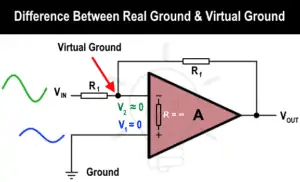
Real ground and virtual ground are both very important in electronic circuits. However, with a real ground, current goes directly to ground In the realm of electrical engineering, the concepts of real ground and virtual ground play distinct yet essential roles.
Real Ground and Virtual Ground Difference, Use, Example - ETechnoG
The terms gnd (ground), virtual gnd, 0vdc, and common (com) may appear similar and are sometimes used interchangeably, which can lead to confusion in electrical and electronic circuits.
The + terminal is connected to the real ground, while the − terminal is set up to work as a virtual ground
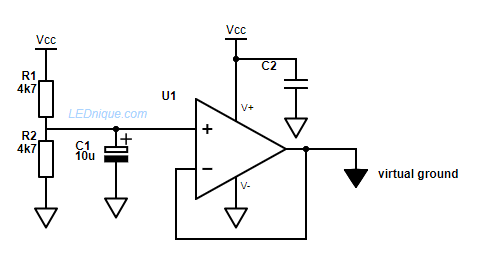
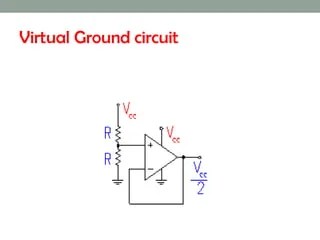
An active virtual ground circuit is sometimes called a rail splitter. Understanding the **fundamental differences** between virtual ground and true ground helps in selecting the right approach for your circuit Below is a **comparison table** highlighting their key.